


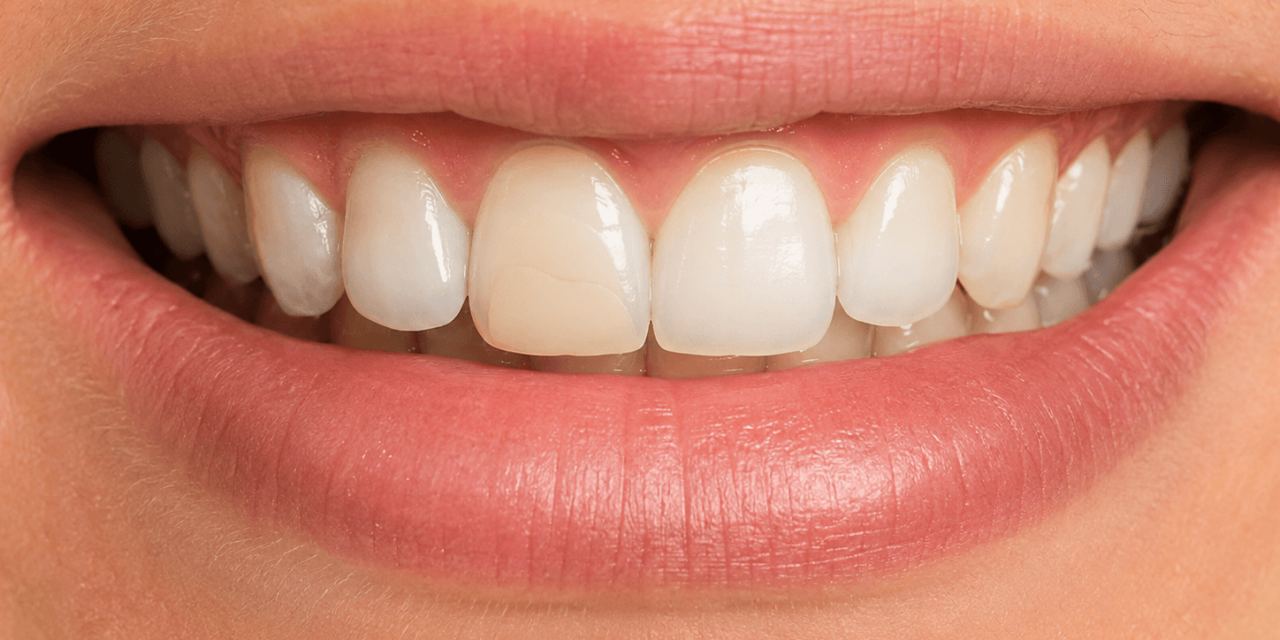
Learn what tooth-colored fillings are, when they may be used, and what to ask a North York dentist before choosing white fillings.



Learn what tooth-colored fillings are, when they may be used, and what to ask a North York dentist before choosing white fillings.

When X-rays pass through your mouth during a dental exam, more X-rays are absorbed by the denser parts (such as teeth and bone) than by soft tissues (such as cheeks and gums) before striking the film. This creates an image on the radiograph. Teeth appear lighter because fewer X-rays penetrate to reach the film. Cavities...
Women have special needs when it comes to their oral health. That’s because the physical changes they undergo through life—menstruation, pregnancy and childbirth, breast-feeding and menopause—cause many changes in the body, some harmful to teeth and gums. Lesions and ulcers, dry sockets, as well as swollen gums, can sometimes occur during surges in a woman’s...

Plaque is an insidious substance—a colorless, sticky film—that blankets your teeth and creates an environment in which bacteria erode tooth enamel, cause gum irritation, infection in inner structures such as pulp and the roots, and in extreme cases, tooth loss. Some of the biggest culprits causing plaque are foods rich in sugar and carbohydrates, including...

More and more people are avoiding the need for dentures as they grow older, going against the notion that false teeth are a normal part of growing older. In fact, there’s usually no reason for you NOT to keep your teeth your entire life, providing you maintain a healthy balanced diet and practice good oral...

Infants Infants should be seen by our office after the first six months of age, and at least by the child’s first birthday. By this time, the baby’s first teeth, or primary teeth, are beginning to erupt and it is a critical time to spot any problems before they become big concerns. Conditions like gum...

Periodontal exams are vital in the maintenance of your oral health as they are used to assess the health of your gums and teeth. They can help your dentist diagnose gum diseases, gingivitis and periodontitis. These exams can also reveal receding gums, exposed roots, tooth grinding and other problems, making periodontal exams vital to maintaining...

It has long been known that good nutrition and a well-balanced diet is one of the best defenses for your oral health. Providing your body with the right amounts of vitamins and minerals helps your teeth and gums—as well as your immune system—stay strong and ward off infection, decay and disease. Harmful acids and bacteria...

The Food and Drug Administration classifies mouth rinses into two categories – therapeutic and cosmetic. In general, therapeutic rinses with fluoride have been shown to actually fight cavities, plaque and gingivitis. On the other hand, cosmetic rinses merely treat breath odor, reduce bacteria and/or remove food particles in the mouth. They do nothing to treat...

For decades, fluoride has been held in high regard by the dental community as an important mineral that is absorbed into and strengthens tooth enamel, thereby helping to prevent decay of tooth structures. In nearly every U.S. community, public drinking supplies are supplemented with sodium fluoride because the practice is acknowledged as safe and effective...
