


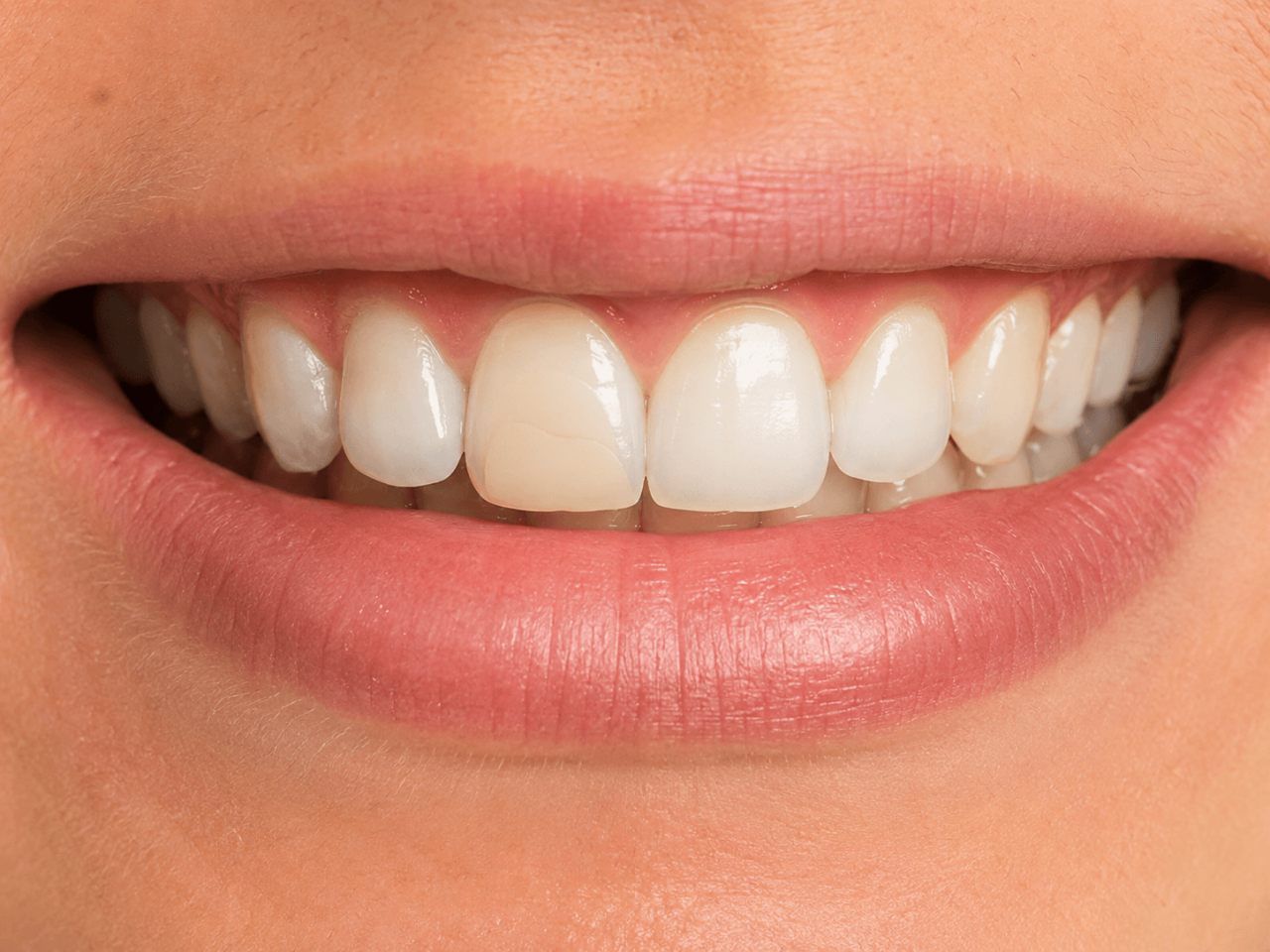
Tooth-colored fillings are dental restorations, often made from composite resin, that may be used to repair cavities or small areas of tooth damage. The material can be matched to the general shade of the surrounding tooth, making it less noticeable than a traditional silver-coloured filling.
White fillings aren’t automatically suitable for every tooth or situation. A dentist must assess the area, determine how much healthy tooth structure remains, and decide whether a filling or another treatment may be appropriate.
For patients researching tooth-colored fillings in North York, understanding how the material works can make treatment discussions easier.
What Are Tooth-Colored Fillings?
A tooth-colored filling is commonly made from composite resin, a dental material that combines a resin base with small filler particles. The material begins in a workable form, allowing the dentist to place and shape it before hardening it with a curing light.
Composite resin comes in different shades. The dentist can select one that blends with the patient’s natural tooth colour, although no restoration can be guaranteed to be completely invisible. Lighting, tooth translucency, staining, and changes to the surrounding enamel may affect how closely the material matches over time.
These restorations are often called white fillings, composite fillings, composite resin fillings, or tooth-colored dental fillings. The terms generally refer to the same type of restoration.
A filling replaces the portion of a tooth removed because of decay or damage. It seals and rebuilds that area so the tooth can continue functioning. Composite resin may also be used for cosmetic bonding, but a cavity filling and cosmetic bonding aren’t necessarily the same treatment. Fillings primarily restore damaged or decayed areas, while bonding may be recommended to change the appearance of a small chip, gap, or uneven edge.
When Might a Dentist Recommend a White Filling?
A dentist may recommend a tooth-colored filling after identifying a cavity or a small area of damage that can be repaired without a more extensive restoration. The decision depends on the tooth’s condition rather than appearance alone.
Possible reasons for considering a white filling include:
- Repairing an area affected by tooth decay
- Replacing a filling that is worn, damaged, or no longer sealing properly
- Restoring a minor chip or small area of tooth damage
- Rebuilding part of a tooth affected by limited wear
- Repairing a tooth where a natural-looking material is preferred
A filling might not be sufficient if a tooth has extensive decay, a large fracture, significant loss of structure, or damage involving the inner tissues. Depending on the findings, another type of restorative care may be discussed.
Pain also isn’t the only sign that a tooth needs attention. Early cavities may not cause noticeable symptoms. Other problems can resemble a cavity, so sensitivity, roughness, discolouration, or discomfort should be assessed rather than diagnosed at home.
Routine dental checkups and cleanings give a dentist an opportunity to examine the teeth and monitor existing restorations. Dental X-rays may be recommended when clinically appropriate to look for concerns that aren’t easily visible during a regular examination.
Tooth-Colored Fillings vs. Silver Fillings
Tooth-colored and silver-coloured fillings use different materials. White fillings are commonly made with composite resin, while traditional silver fillings are usually made from dental amalgam, a mixture of metals.
The most obvious difference is appearance. Composite resin can be selected to resemble the surrounding enamel, while amalgam has a silver or grey colour that is more noticeable. This may matter when treating a tooth that shows while speaking or smiling.
The materials are also placed differently. Composite resin is applied in sections and bonded to the prepared tooth. Amalgam is packed into the prepared space and held in place by the shape of that area. The amount of tooth preparation required depends on the size and location of the damage, the material used, and the dentist’s clinical judgment.
Silver fillings have a long history of use and may remain functional for many years. An existing amalgam filling doesn’t necessarily need replacement simply because it is silver. Removing a stable filling without a clinical reason can require the removal of additional tooth structure. A dentist can check its condition and explain whether continued monitoring or replacement may be appropriate.
Composite fillings can also wear, chip, stain, or separate from the tooth. Neither material is permanent, and neither is universally better in every situation. Tooth location, cavity size, biting forces, moisture control, remaining tooth structure, appearance preferences, and the condition of any existing restoration may all influence the decision.
Patients concerned about a current metal filling should have it examined before deciding to replace it. The recommendation should be based on the health and condition of the tooth, not fear or appearance alone.
What Happens During a Tooth-Colored Filling Appointment?
The details of a filling appointment depend on the tooth and the extent of the concern. Before beginning, the dentist examines the area and confirms the recommended treatment. Dental X-rays may form part of the assessment if more information is needed.
Local anesthetic may be used to numb the tooth and nearby tissues. The dentist then removes the decayed or damaged portion while preserving healthy tooth structure where possible. The area is cleaned and prepared for the filling material.
Composite resin is generally placed in layers. Each layer is shaped and hardened with a curing light before the next is added. After rebuilding the tooth, the dentist adjusts and polishes the restoration.
The bite is checked before the appointment ends. A filling that feels unusually high or uncomfortable after the numbness has worn off should be discussed with the dental office, as an adjustment may be needed.
Some temporary sensitivity may occur following a filling. The experience varies according to the tooth, the depth of the restoration, and individual sensitivity. Contact the dental office if discomfort is severe, worsening, persists, or is accompanied by another concerning symptom.
A dentist can explain what to expect based on the specific procedure. Treatment length and recovery shouldn’t be assumed because one filling can differ significantly from another.
How to Care for a Tooth-Colored Filling
A filled tooth still needs daily care. Decay can develop around the edges of a restoration or on another part of the tooth, and the surrounding gum tissue also needs protection.
Brush thoroughly with fluoride toothpaste and clean between the teeth each day. These habits remove plaque from areas where a toothbrush alone may not reach. Your dentist or dental hygienist can suggest techniques or products based on your oral health.
Avoid using teeth to open packages or bite hard non-food objects. Habits such as chewing ice, biting fingernails, or grinding the teeth can place extra pressure on both natural teeth and restorations. If you think you grind or clench, mention it during an appointment rather than trying to manage it on your own.
Composite resin may collect stains over time, particularly with frequent exposure to darkly pigmented foods, beverages, or tobacco. Good oral hygiene and professional cleanings can help manage surface buildup, but whitening products won’t lighten filling material. A filling that once matched may look different if the surrounding natural tooth changes colour.
During routine visits, a dentist can check the edges and surface of the filling for wear, cracks, or other changes. Seek an assessment if the filling feels loose, develops a sharp edge, breaks, or causes a new concern while biting.
Why a Dental Assessment Still Matters
A dark spot, rough edge, or sensitive tooth doesn’t automatically mean a white filling is needed. Staining, enamel wear, a small crack, gum recession, and other conditions can produce similar concerns. An assessment helps identify what is actually happening.
The dentist will consider the location and size of any decay or damage, how much tooth structure remains, the condition of nearby teeth, and how the tooth meets its partner when biting. Existing restorations and oral hygiene habits may also affect the recommendation.
A small cavity may be manageable with a filling, while a tooth with more extensive damage may need another type of restoration. In some cases, the dentist may recommend monitoring an area instead of treating it immediately. The appropriate approach depends on the examination and any necessary diagnostic information.
Patients visiting Dentistry in Motion at Lawrence Allen Centre can ask about filling materials and how different options relate to their needs. A useful discussion should explain why treatment is being recommended, what alternatives may exist, and what limitations apply.
Frequently Asked Questions About Tooth-Colored Fillings
Are tooth-colored fillings the same as white fillings?
Usually, yes. Both terms commonly describe composite resin restorations selected to blend with the surrounding tooth. Patients may also hear them called composite fillings or tooth-colored dental fillings.
Can tooth-colored fillings be used on front and back teeth?
Composite resin may be used on front or back teeth, depending on the tooth, size and location of the damaged area, and biting forces. A dentist must assess whether it is a suitable material for the specific situation.
Do tooth-colored fillings hurt?
Local anesthetic may be used to reduce discomfort during treatment. Some people experience temporary sensitivity afterward, while others notice very little. Experiences vary, so concerns about pain or sensitivity should be discussed with the dentist.
How long do tooth-colored fillings last?
There is no exact lifespan that applies to every filling. Longevity depends on the restoration’s size and location, biting forces, oral hygiene, diet, grinding habits, and other factors. Regular dental visits allow the dentist to monitor its condition.
Do I need a filling if my tooth does not hurt?
Possibly. Early decay may not cause pain, and a damaged filling may not produce immediate symptoms. A dentist can identify whether treatment, monitoring, or another approach is appropriate after examining the tooth.
Talk to a Dentistry in Motion Dentist About Tooth-Colored Fillings
Tooth-colored fillings may be used to repair cavities or limited tooth damage while providing a shade that blends with nearby enamel. However, the right restoration depends on the condition of the tooth, the amount of damage, and several other clinical factors.
If you’re wondering whether a white filling may be suitable for a cavity, chipped tooth, worn restoration, or another concern, contact Dentistry in Motion to ask a question or request an assessment at the North York office in Lawrence Allen Centre.
