


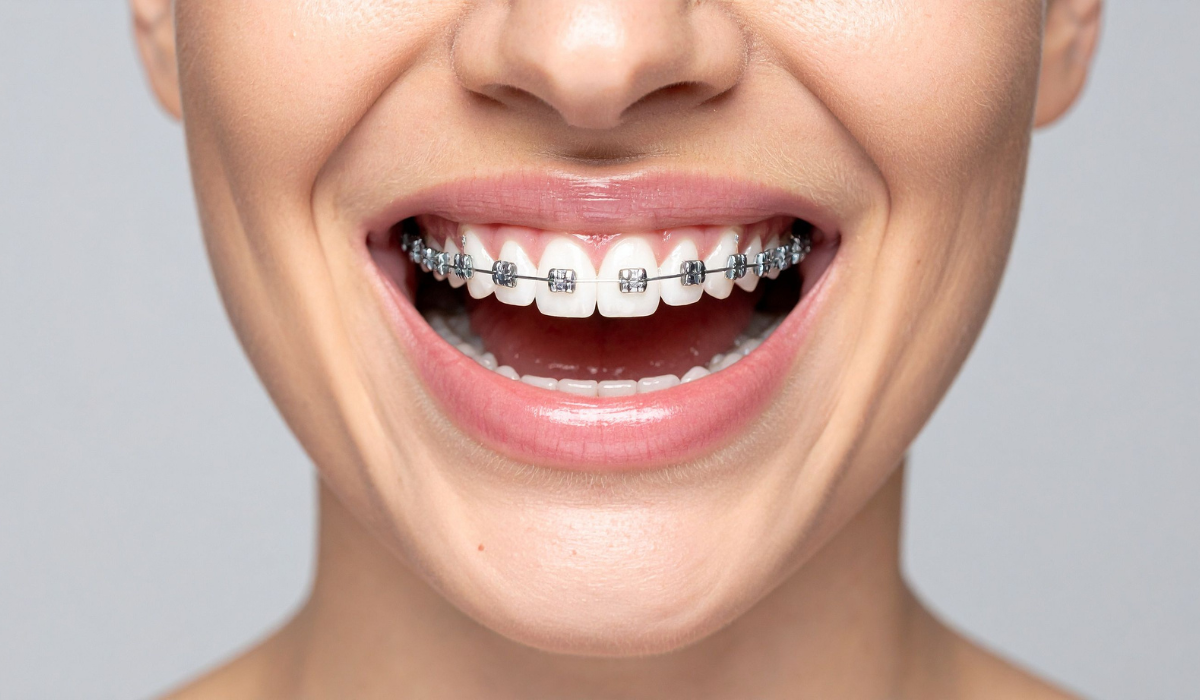
There’s a persistent myth in dentistry that orthodontics is something you either did as a teenager or missed your window on entirely. Adults come into dental offices all the time believing that braces or clear aligners simply aren’t an option for them anymore. That belief is wrong, and it’s keeping a lot of people from a smile they could actually have.
At Dentistry in Motion in North York, the team has been helping patients of all ages achieve straighter, healthier smiles for over 35 years. Adult orthodontics is not only possible, it’s one of the most rewarding treatments the clinic offers. Here’s what you need to know.
Why More Adults Are Choosing Orthodontics
Adult orthodontic treatment has grown significantly in popularity over the past two decades. A combination of better technology, more discreet treatment options, and a broader cultural understanding of dental health has made orthodontics a genuine consideration for patients well into their 40s, 50s, and beyond.
For some adults, orthodontics addresses something that was never treated in childhood. For others, teeth that were once straight have gradually shifted over time, a natural process that happens as we age. Regardless of how the misalignment developed, orthodontics can address it at virtually any age when the teeth and gums are healthy.
Beyond aesthetics, adult patients often come to orthodontics because of functional concerns. A misaligned bite can make chewing uncomfortable, put uneven pressure on certain teeth causing them to wear down faster, and contribute to jaw pain and tension. Correcting the alignment addresses the root cause of these problems rather than managing symptoms indefinitely.
What Orthodontics Can Treat in Adult Patients
The range of concerns that orthodontics addresses in adults is broader than most people realize. Common issues include:
Crowding. Teeth that overlap or sit too close together are harder to clean effectively. Plaque and food collect in tight spaces that brushing and flossing struggle to reach. Straightening crowded teeth meaningfully improves oral hygiene and reduces the risk of decay and gum disease over time.
Spacing and gaps. Gaps between teeth can affect both appearance and function. Orthodontics closes these spaces and distributes bite pressure more evenly across all teeth.
Overbite, underbite, and open bite. Malocclusions, or misaligned bites, are among the most clinically significant reasons adults pursue orthodontics. An overbite where the upper teeth extend too far over the lower, an underbite where the lower teeth protrude ahead of the upper, or an open bite where front teeth don’t meet, all create functional problems that worsen over time without treatment.
Relapse after previous orthodontic treatment. Many adults had braces as teenagers and didn’t wear their retainers consistently afterward. Teeth shifted back toward their original positions, and now they want to reclaim the result they once had.
Traditional Braces for Adults: Still the Gold Standard
Traditional metal braces have come a long way from what most adults remember from their teenage years. Today’s brackets are significantly smaller and the wires are thinner, giving them a far more subtle appearance than older designs. For adults with more complex alignment concerns, including significant bite issues or severe crowding, traditional braces remain the most effective and reliable orthodontic solution available.
The mechanics of braces work the same way at any age. The wire applies gentle, continuous pressure that gradually shifts teeth into their correct positions over time. Adults generally respond to this pressure well. Treatment timelines for adults are comparable to those for teens, typically ranging from 12 to 24 months depending on the complexity of the case.
At Dentistry in Motion, the orthodontic team takes the time to understand each patient’s specific goals and concerns before recommending a treatment path. That personalized approach has been central to the practice for over three decades.
Invisalign for Adults: Discreet and Flexible
For adults concerned about the appearance of metal brackets during treatment, Invisalign clear aligners offer a compelling alternative. The aligners are made from smooth, transparent plastic that fits snugly over the teeth and is virtually invisible in daily life.
This matters enormously to many adult patients. Presenting to clients, appearing on camera, attending social events, or simply going about a professional day without drawing attention to orthodontic treatment is a priority that clear aligners address directly.
Invisalign aligners are also removable. You take them out for eating, drinking, brushing, and flossing. Your diet doesn’t change and your oral hygiene routine stays intact. For adults who value flexibility and convenience in their treatment experience, this is a significant advantage over fixed appliances.
Invisalign works very well for mild to moderate alignment concerns. For more complex bite issues, traditional braces may deliver more predictable results. The team at Dentistry in Motion will assess your specific situation and give you an honest recommendation based on what will actually achieve your goals most effectively.
Does Orthodontic Treatment Take Longer for Adults?
This is one of the most common questions adult patients ask. The honest answer is that adult treatment timelines are generally similar to those for teenagers, though individual cases vary.
One difference worth understanding is that adult bone is denser and more fully developed than adolescent bone. Teeth move through a process that involves bone remodelling around the root, and this process is slightly slower in adults. For most patients, the difference is modest and doesn’t significantly extend the overall treatment timeline.
What matters most is case complexity. A mild spacing issue may resolve in under a year. A significant malocclusion requiring more movement takes longer regardless of the patient’s age. Your orthodontic team will give you a realistic timeline estimate at your consultation based on your specific case.
Maintaining Results After Orthodontics
Completing orthodontic treatment is the beginning of retention, not the end of the process. Teeth have a natural tendency to drift back toward their original positions after treatment, which is why retainers are a critical part of the long-term outcome.
At Dentistry in Motion, every orthodontic patient receives clear guidance on retention following treatment. Most adults wear retainers nightly on an ongoing basis to protect the result they worked for. This is a simple, low-effort commitment that preserves everything orthodontics achieved.
Ready to Start?
If you’ve been thinking about orthodontics but assumed it wasn’t realistic at your age, the best next step is a straightforward consultation. The team at Dentistry in Motion will assess your teeth, your bite, and your goals before making any recommendation. There’s no pressure and no commitment required at that first appointment.
Dentistry in Motion has been a trusted part of the North York community for over 35 years, located at the Lawrence Allen Centre at 700 Lawrence Ave W, Suite 206, North York, ON M6A 3A5. The clinic offers extended hours Monday through Thursday until 7pm, making it easy to fit a consultation around a busy schedule.
Call 416.785.7619 or email secure@dentistryinmotion.com to book your orthodontic consultation. A straighter smile is well within reach, whatever your age.
