


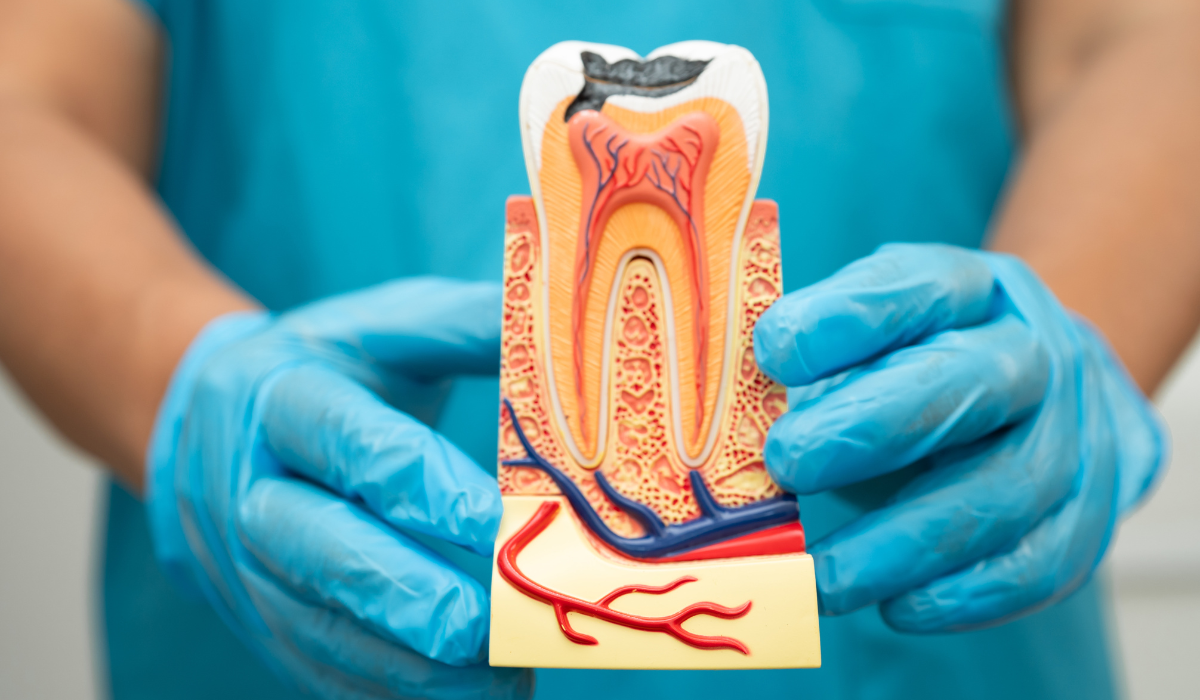
A toothache does not automatically mean you need root canal treatment. Tooth pain can come from decay, a damaged filling, gum irritation, a crack, pressure from clenching, sensitivity, infection, or another problem. A dentist needs to assess the tooth, surrounding gums, bite, health history, and existing dental work before recommending care.
Persistent, severe, worsening, or recurring pain should not be watched indefinitely. Call a dental office and describe what you are feeling. The assessment may lead to a filling, a crown, root canal care, extraction, monitoring, or another recommendation depending on the cause and whether the tooth can be restored.
Do Toothaches Always Mean You Need a Root Canal?
No. Root canals are considered when the soft tissue inside a tooth is inflamed, infected, or damaged in a way that the dentist believes requires that treatment.
Many toothaches begin in other tissues or at an earlier stage and may call for a different approach.
The intensity of pain alone cannot confirm what is happening. A small cavity may cause sensitivity in one person and little discomfort in another. A cracked tooth may hurt only when pressure is released. Gum inflammation can feel like tooth pain, and discomfort from clenching may affect several teeth or the jaw.
This is why symptom lists are helpful for deciding when to call but not for choosing a procedure. Root canal treatment should be recommended only after the dentist has identified the source of the problem and discussed whether the tooth is suitable for restoration.
What Kind of Tooth Pain May Point to a Root Canal Problem?
Certain patterns can raise concern about the tissue inside or around a tooth, but they still require examination. Tell the dental office if you notice:
- Severe or persistent tooth pain
- Pain that lingers after hot or cold exposure
- Pain when biting, chewing, or releasing pressure
- Swelling in the gum, face, or jaw
- A pimple-like bump on the gum, drainage, or a persistent unpleasant taste
- A tooth that has darkened after injury
- A cracked, broken, or deeply decayed tooth
- Pain that interrupts sleep or normal activity
These signs do not guarantee that a root canal is needed. They tell the dentist what should be investigated. Dentistry in Motion’s information about root canal treatment explains the service, but only an individual assessment can determine whether it applies to you.
What Else Can Cause a Toothache Besides a Root Canal Issue?
Tooth pain may come from the tooth itself, the gums, the bite, or nearby structures. Other possibilities include:
- A cavity that has not reached the inner tooth tissue
- A loose, worn, or damaged filling
- A crack that affects only part of the tooth
- Gum inflammation or food trapped between teeth
- Exposed root surfaces or another source of sensitivity
- Clenching, grinding, or uneven bite pressure
- A problem with a crown, bridge, denture, or other restoration
- An erupting or impacted tooth
- Pain referred from the jaw, sinuses, or another area
Because these problems can overlap, do not rely on where the pain seems to be. Referred pain may make a nearby tooth feel responsible, and several teeth may react when the bite is strained.
Could a Filling, Crown, or Other Treatment Be Enough?
Possibly. When decay or damage is limited and the tooth can be restored without treating the inner tissue, a dentist may recommend tooth-colored fillings, a crown, repair of an existing restoration, bite adjustment, gum care, or monitoring. The appropriate choice depends on the diagnosis and how much healthy tooth structure remains.
If the inner tissue is affected but the tooth is considered restorable, root canal treatment may be discussed to remove inflamed or infected tissue and prepare the tooth for restoration. A crown or other final restoration may be recommended afterward depending on the tooth and remaining structure.
If a tooth is too damaged to restore, tooth extractions may be considered. Extraction is not an automatic alternative to root canal care; it creates a new decision about the missing space and possible tooth replacement. Ask the dentist to compare the practical implications of each option.
When Should Tooth Pain Be Checked Promptly?
Contact a dental office promptly when pain is severe, worsening, recurring, or lasting longer than expected.
You should also call if pain follows an injury or occurs with swelling, fever, a broken tooth, discharge, or difficulty eating or sleeping.
Dentistry in Motion provides emergency dentistry in North York for urgent dental concerns. The clinic should confirm the appropriate appointment and current availability when you call.
Seek urgent medical care or emergency services if facial swelling affects breathing, swallowing, or vision, or if you have symptoms of serious illness. Do not place aspirin, alcohol, essential oils, or other substances directly on a painful tooth or gum, and do not take medication prescribed for someone else.
What Happens During a Dental Assessment for Toothache?
The visit usually begins with questions about the pain: when it started, where it feels strongest, whether it is constant or intermittent, what triggers it, and how long it lasts. The dentist may also ask about recent injuries, dental work, health conditions, medications, allergies, and anything you have tried.
The clinical examination may include the tooth, gums, neighbouring teeth, bite, jaw, and existing restorations. The dentist may test how teeth respond to temperature, pressure, or tapping when appropriate. Dental images may be recommended to look at areas that are not visible directly.
After gathering the information, the dentist can explain the likely source of pain, whether additional assessment is needed, and which options may be suitable. Useful questions include:
- What finding is most likely causing the pain?
- Is the tooth restorable?
- Why are you recommending this treatment?
- What alternatives should I compare?
- What could happen if I delay?
- What symptoms should make me call again or seek urgent care?
- What follow-up or final restoration may be needed?
Can Ignoring Tooth Pain Lead to More Treatment Later?
It can, depending on the cause. Some problems remain stable for a period, while others progress or flare unpredictably.
A temporary improvement does not prove that the underlying issue is gone. Pain may fade even when a tooth still needs assessment.
Waiting can also narrow options in some situations if decay, a crack, infection, or structural damage advances. However, no one can predict the course of a specific tooth without examining it. The practical message is simple: do not wait out persistent, worsening, recurring, or severe tooth pain.
If cost, anxiety, transportation, or another barrier is delaying you, tell the dental office. The team may be able to explain assessment steps, discuss priorities, or provide information about its process without promising a particular treatment or outcome.
Frequently Asked Questions About Toothache and Root Canals
Does every toothache need a root canal?
No. Toothaches have many possible causes. A dentist must identify the source and evaluate whether the tooth can be restored before recommending a root canal or another treatment.
Can a cavity cause tooth pain without needing a root canal?
Yes. A cavity may cause sensitivity or pain before the inner tooth tissue requires root canal care. Whether a filling, crown, root canal, or another approach is appropriate depends on the depth of decay, the tooth’s condition, and the examination findings.
How do I know if tooth pain is serious?
Severe, persistent, recurring, or worsening pain should be assessed. Call promptly if pain occurs with swelling, fever, injury, discharge, a broken tooth, or difficulty eating or sleeping. Seek urgent medical care if swelling affects breathing or swallowing.
Can a root canal help save a tooth?
Root canal treatment may allow a restorable tooth with affected inner tissue to remain in the mouth, but it cannot save every tooth and outcomes cannot be guaranteed. The dentist must evaluate the remaining structure, support, and overall situation.
Can Dentistry in Motion assess tooth pain in North York?
Dentistry in Motion can evaluate toothache concerns and discuss appropriate options within the clinic’s scope. The dentist may recommend further treatment or referral depending on the findings.
Talk to Dentistry in Motion About Toothache and Root Canals in North York
A toothache is a reason to seek information, not proof that one particular procedure is inevitable. An examination can separate problems that may respond to restorative or gum care from those that may require root canal treatment, extraction, or another approach.
If tooth pain is persistent, recurring, worsening, or severe, contact Dentistry in Motion in North York. The clinic is located at Lawrence Allen Centre near Lawrence and Allen and can assess the concern before discussing treatment options, timing, or expected results.
